Understanding the Importance of Humidity Control
Maintaining the right level of humidity is essential for ensuring a safe, efficient, and productive environment in commercial and industrial spaces. Excess moisture in the air can lead to a variety of problems, including damage to infrastructure, reduced product quality, and unhealthy indoor conditions. This is why investing in a reliable Air Dehumidifier has become a key requirement for modern facilities.
Humidity levels directly influence how materials behave, how equipment performs, and how air quality is maintained. In environments where precision and consistency are critical, uncontrolled humidity can disrupt operations and lead to avoidable losses. A well-designed dehumidification system ensures that moisture levels remain within the desired range, creating a stable and controlled environment.
Air dehumidifiers are specifically engineered to remove excess moisture from the air while maintaining optimal conditions. These systems are widely used across industries such as manufacturing, pharmaceuticals, food processing, and warehousing. Their ability to deliver consistent performance makes them an essential component of modern environmental control strategies.
What Problems Arise from Excess Humidity
Structural and Equipment Damage
High humidity levels can cause significant damage to buildings and equipment over time. Moisture can seep into walls, ceilings, and floors, weakening structural integrity and leading to issues such as peeling surfaces and material degradation. In industrial settings, metal components are particularly vulnerable to rust and corrosion.
Electrical systems are also at risk when exposed to excess moisture. Condensation can interfere with circuits, leading to malfunctions and potential safety hazards. Controlling humidity helps protect critical infrastructure and ensures the long-term reliability of equipment.
Impact on Product Quality and Storage
Many industries depend on controlled environmental conditions to maintain the quality of their products. Excess humidity can lead to spoilage, contamination, and degradation of materials. This is especially important for sectors dealing with sensitive goods such as pharmaceuticals, electronics, and packaged foods.
In storage environments, moisture can damage packaging and reduce shelf life. Maintaining consistent humidity levels ensures that products remain in optimal condition throughout their lifecycle, reducing losses and maintaining quality standards.
How Air Dehumidifiers Work
Advanced Moisture Removal Technology
Air dehumidifiers use advanced technologies to remove moisture from the air efficiently. One of the most effective methods involves desiccant-based systems, which use moisture-absorbing materials to capture water vapor. This process works effectively across a wide range of temperatures and humidity levels.
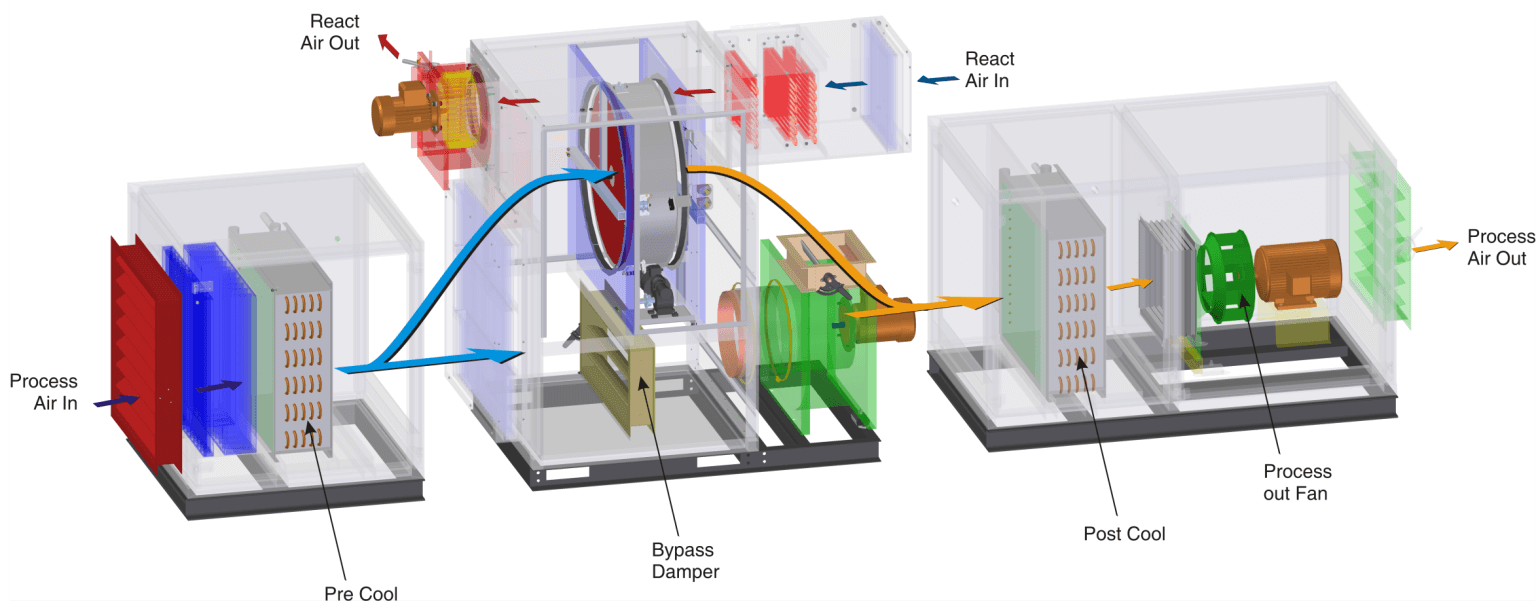
The system draws in humid air and passes it through a desiccant medium, where moisture is absorbed. The dry air is then released back into the environment, while the absorbed moisture is removed through a regeneration process. This ensures continuous and efficient operation.
By integrating a high-performance dehumidifier machine, businesses can achieve precise humidity control and maintain stable environmental conditions.
Continuous Operation and High Efficiency
Air dehumidifiers are designed for continuous operation in demanding environments. They are capable of handling large volumes of air while maintaining consistent performance. This makes them suitable for applications that require uninterrupted humidity control.
Efficiency is a key feature of modern systems. They are engineered to deliver maximum performance while minimizing energy consumption, making them a cost-effective solution for long-term use.
Benefits of Using an Air Dehumidifier
Improved Air Quality
One of the primary benefits of using an air dehumidifier is the improvement in indoor air quality. Excess moisture creates an ideal environment for mold, bacteria, and allergens to thrive. By reducing humidity levels, dehumidifiers help prevent the growth of these harmful elements.
Cleaner air contributes to a healthier environment and supports better working conditions. This is particularly important in industries where hygiene and safety are critical.
Enhanced Operational Efficiency
Maintaining controlled humidity levels helps improve overall operational efficiency. Equipment operates more reliably, and processes become more consistent. This reduces downtime and increases productivity.
In manufacturing environments, controlled humidity ensures that materials behave predictably. This leads to improved product quality and reduced waste, which are essential for maintaining efficiency and competitiveness.
Cost Savings and Longevity
Although installing a dehumidification system requires an initial investment, it offers significant long-term savings. Preventing moisture-related damage reduces maintenance costs and extends the lifespan of equipment and infrastructure.
Energy-efficient systems also help lower operational expenses by reducing the load on HVAC systems. This makes air dehumidifiers a sustainable and cost-effective solution for businesses.
Applications Across Different Industries
Manufacturing and Industrial Facilities
Manufacturing environments require precise control over humidity to ensure smooth operations. Dehumidifiers help protect machinery, maintain product quality, and support consistent production processes.
Industries such as automotive, textiles, and electronics rely on stable environmental conditions to achieve optimal results. Controlled humidity plays a key role in ensuring efficiency and reliability.
Warehousing and Storage
Warehouses often store goods that are sensitive to moisture. High humidity can lead to product damage, mold growth, and packaging issues. Air dehumidifiers help maintain stable storage conditions, ensuring that goods remain safe and usable.
This is particularly important for industries dealing with pharmaceuticals, food products, and electronic components, where moisture control is critical.
Healthcare and Clean Environments
Healthcare facilities require strict environmental control to maintain hygiene and prevent contamination. Air dehumidifiers help create a controlled environment that supports safety and compliance with industry standards.
Cleanrooms and laboratories also benefit from precise humidity control, as it ensures accurate results and protects sensitive equipment.
Key Factors to Consider When Choosing an Air Dehumidifier
Capacity and Coverage
Selecting the right dehumidifier depends on the size of the space and the level of humidity control required. High-capacity systems are suitable for large facilities, while smaller units can be used for targeted applications.
Proper assessment ensures that the system delivers optimal performance without unnecessary energy consumption.
Energy Efficiency and Sustainability
Energy efficiency is an important consideration for modern businesses. Efficient systems reduce operational costs while minimizing environmental impact. Choosing a system with advanced energy-saving features supports long-term sustainability goals.
Maintenance and Reliability
A reliable dehumidifier should operate continuously without frequent breakdowns. Ease of maintenance is also important, as it ensures that the system remains in optimal condition.
Regular servicing helps maintain performance and extends the lifespan of the equipment. This contributes to overall efficiency and reliability.
Conclusion
An air dehumidifier is an essential solution for maintaining humidity control in commercial and industrial environments. By regulating moisture levels, businesses can protect their infrastructure, preserve product quality, and enhance operational efficiency. Advanced systems offer reliable performance, improved air quality, and long-term cost savings, making them a valuable investment for modern facilities.
As industries continue to grow and evolve, the need for effective environmental control becomes increasingly important. Implementing a high-quality dehumidification system ensures a stable and safe environment that supports productivity and compliance. From manufacturing units to healthcare facilities, the benefits of controlled humidity are far-reaching and impactful.
For businesses looking to improve their humidity control systems and achieve better operational outcomes, it is important to choose the right solution. To explore available options or get expert guidance, visit the Contact Us page and connect with professionals who can help you select the most suitable system for your needs.