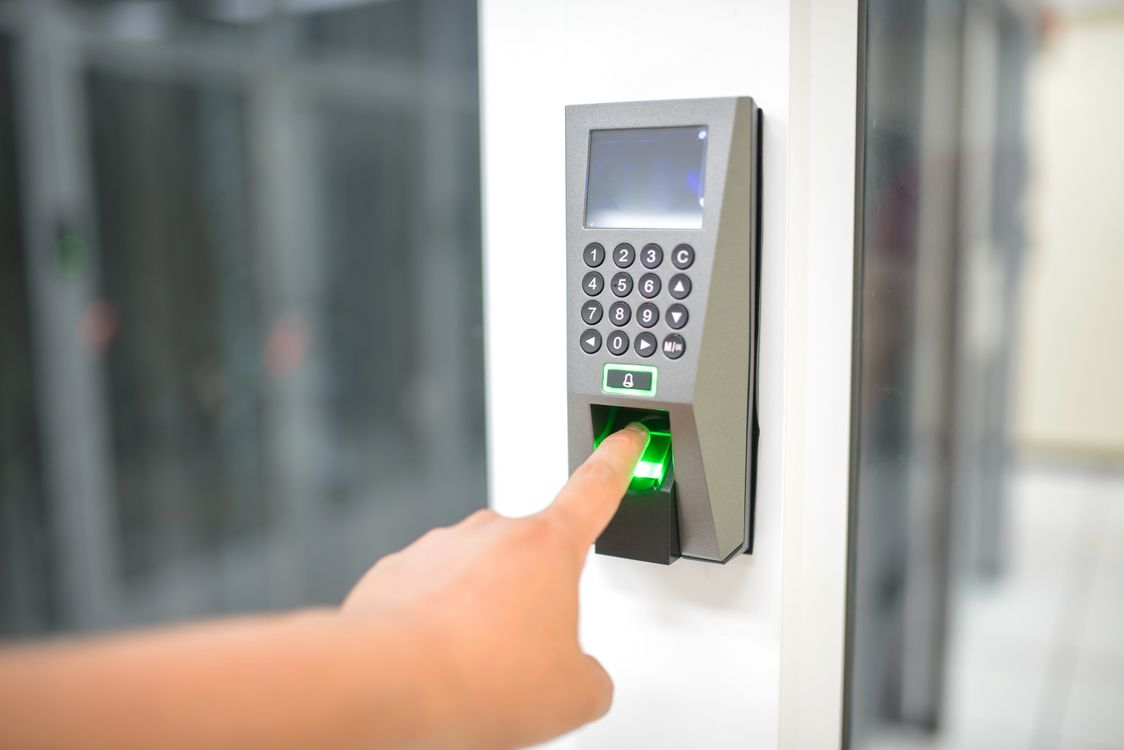
Saudi Arabia’s security landscape is undergoing a structural shift. What was once considered a purely physical domain (doors, gates, guards, and surveillance) is now being redefined as a digital infrastructure challenge led by IT departments. As organizations accelerate digital transformation under Vision 2030, biometric door access control system are becoming central to enterprise IT architecture rather than standalone security tools.
This convergence of physical and digital security is reshaping how enterprises manage identity, access, compliance, and workforce data across commercial, industrial, and government sectors.
Security is No Longer Physical-Only Infrastructure
Traditionally, physical security in Saudi organizations was managed separately from IT systems. Security guards controlled entry points, while IT departments handled networks and data. That separation is disappearing.
Modern enterprises now deploy integrated ecosystems where biometric access control systems are directly connected to IT infrastructure, HR platforms, and cloud environments.
This shift is driven by:
- Increasing cyber-physical threats
- Demand for centralized identity management
- Rapid adoption of cloud-based enterprise systems
- Regulatory pressure for audit-ready access logs
As a result, CIOs and IT directors are now key decision-makers in physical security deployments.
Biometric Access Control as Core IT Infrastructure
In many Saudi enterprises, biometric access control systems are no longer treated as hardware installations—they are treated as identity infrastructure.
These systems now:
- Authenticate employees using facial recognition or fingerprints
- Sync identity data with HR and payroll systems
- Log access events in centralized databases
- Support API-based integration with enterprise software
This transformation positions access control as part of the digital identity stack, similar to Active Directory or cloud IAM (Identity and Access Management) platforms.
API Integration with HR and Enterprise Systems
One of the biggest drivers of convergence is integration. Modern biometric access control systems are deeply connected with HR systems through APIs.
This enables:
- Automated employee onboarding and offboarding
- Real-time attendance synchronization
- Payroll calculation based on verified entry/exit data
- Contractor access management
- Multi-site workforce visibility
For example, when an employee joins or leaves an organization, their biometric credentials are automatically updated across all access points without manual intervention.
This reduces administrative workload while improving data accuracy across the enterprise.

Cloud Security and Centralized Identity Management
Cloud adoption in Saudi Arabia is accelerating across both public and private sectors. Security systems are following the same trend.
Cloud-enabled biometric access control systems allow organizations to:
- Manage identities across multiple locations
- Monitor access activity in real time
- Store encrypted biometric templates securely
- Scale user databases without hardware limitations
Centralized cloud dashboards give IT teams full visibility across offices, factories, and remote sites in cities like Riyadh, Jeddah, and Dammam. This shift also reduces reliance on isolated, on-premise systems that are difficult to scale and maintain.
Zero-Trust Architecture and Physical Security
Zero-trust security frameworks, where no user or device is trusted by default, are now extending beyond IT networks into physical spaces.
In this model, biometric access control systems act as the first layer of identity verification before granting physical entry.
Key principles include:
- Continuous authentication instead of one-time verification
- Role-based access control for different zones
- Dynamic access permissions based on risk level
- Real-time revocation of credentials
For example, access to sensitive data centers or industrial control rooms may require multi-factor authentication combining biometrics, device validation, and time-based permissions.
The Expanding Role of the CIO
The Chief Information Officer (CIO) in Saudi organizations is no longer limited to managing IT systems. Their role now extends into physical security governance.
CIOs are increasingly responsible for:
- Selecting biometric access control systems vendors
- Defining enterprise identity strategies
- Ensuring cybersecurity compliance across physical access points
- Integrating security infrastructure with cloud platforms
- Managing risk across cyber-physical systems
This evolution reflects the growing importance of unified digital identity management across all layers of the organization.
Data Security, Compliance, and Regulatory Alignment
With biometric data being highly sensitive, Saudi organizations must comply with strict cybersecurity and data protection regulations.
Modern biometric access control systems support:
- Encrypted biometric storage
- Role-based access permissions
- Detailed audit trails for compliance reporting
- Secure data residency options
- Automated log retention policies
These features ensure alignment with national cybersecurity frameworks and enterprise governance standards.
IT-Driven Security Operations Centers (SOCs)
Another major development is the integration of physical access systems into Security Operations Centers (SOCs).
IT teams now monitor:
- Access anomalies in real time
- Unauthorized entry attempts
- Cross-site movement patterns
- System health and device status
By connecting biometric access control systems to SOC platforms, organizations achieve unified visibility across cyber and physical environments.
ACIX Middle East helps Saudi organizations bridge the gap between physical security and IT infrastructure through advanced biometric access control systems designed for enterprise-grade integration and scalability. Their time attendance systems ensure accurate workforce tracking while supporting real-time payroll and compliance reporting. They also provide robust key management solutions that help organizations track and control physical assets with full audit visibility. In addition, they support enterprise infrastructure with scalable Matrix access control ecosystems designed for multi-location operations, and deploy reliable smart flap barrier systems, turnstile gate barrier systems, and security gate barriers that regulate access while maintaining operational efficiency in high-traffic facilities.
Reach out to them now.