Introduction to Facial Exfoliation
Healthy and radiant skin requires consistent care, and exfoliation plays a key role in maintaining that glow. An exfoliating tool for face helps remove dead skin cells, unclog pores, and improve overall skin texture. With the growing demand for effective skincare routines, selecting the right exfoliation method has become more important than ever.
Using a suitable exfoliating tool for face in your skincare routine can significantly enhance product absorption and promote smoother skin. However, choosing the right tool depends on various factors including skin type, sensitivity, and personal preferences.
Why Exfoliation Is Essential for Skin Health
Removes Dead Skin Cells
The outer layer of skin naturally sheds dead cells. Without proper exfoliation, these cells accumulate and make the skin look dull and uneven. A good exfoliating tool helps accelerate this process safely.
Unclogs Pores
Excess oil, dirt, and debris often clog pores, leading to breakouts. Regular exfoliation clears these impurities and reduces the chances of acne.
Improves Skin Texture
Exfoliation smooths rough patches and refines skin texture. It creates a more even surface, making the skin appear softer and more polished.
Enhances Product Absorption
When dead skin cells are removed, skincare products penetrate deeper into the skin. This improves the effectiveness of serums, moisturizers, and treatments from brands like Plantish Future.
Types of Exfoliating Tools for Face
Physical Exfoliating Tools
Physical exfoliators manually remove dead skin using textured surfaces.
Facial Brushes
Facial brushes are designed with soft bristles that gently cleanse and exfoliate the skin. They are suitable for daily or weekly use depending on skin sensitivity.
Silicone Scrubbers
These tools are made from flexible silicone and provide a gentle exfoliating experience. They are hygienic and easy to clean.
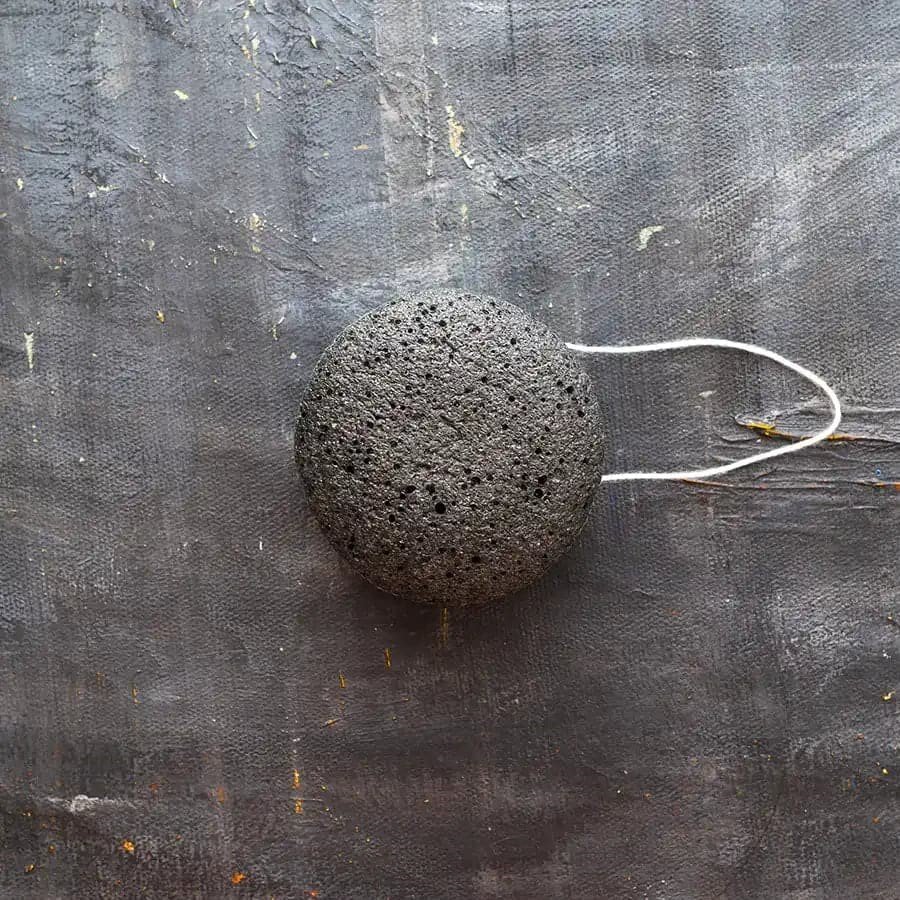
Konjac Sponges
Konjac sponges are natural and biodegradable tools that offer mild exfoliation. They are ideal for sensitive skin types.
Chemical Exfoliation Tools
Although not tools in the traditional sense, chemical exfoliation devices or applicators help deliver exfoliating acids evenly.
AHA and BHA Applicators
These tools assist in applying alpha hydroxy acids and beta hydroxy acids, which dissolve dead skin cells and improve clarity.
Exfoliating Pads
Pre-soaked pads provide controlled exfoliation and are convenient for regular use.
Manual Tools
Manual tools offer targeted exfoliation and are often used for deeper cleansing.
Dermaplaning Tools
These tools remove dead skin and fine facial hair, leaving the skin smooth and bright.
Exfoliating Gloves
Though more commonly used on the body, smaller versions can be used carefully on the face for gentle exfoliation.
How to Choose the Right Exfoliating Tool
Consider Your Skin Type
Oily Skin
Oily skin benefits from tools that deeply cleanse and unclog pores. Brushes and exfoliating pads work well for this skin type.
Dry Skin
Dry skin requires gentle exfoliation. Soft sponges or silicone scrubbers are better options to avoid irritation.
Sensitive Skin
Sensitive skin needs mild and non abrasive tools. Konjac sponges and soft silicone devices are ideal choices.
Combination Skin
Combination skin may require different tools for different areas of the face. A balanced approach ensures effective exfoliation without overdoing it.
Evaluate Frequency of Use
Some tools are designed for daily use while others should be used once or twice a week. Over exfoliation can damage the skin barrier, so it is important to follow recommended usage guidelines.
Check Material and Quality
Choose tools made from high quality materials that are safe for skin contact. Avoid rough textures that can cause micro tears.
Hygiene and Maintenance
Tools that are easy to clean and maintain help prevent bacterial buildup. Silicone tools and washable brushes are good options.
Benefits of Using the Right Exfoliating Tool
Promotes Radiant Skin
Consistent exfoliation reveals fresh skin layers, resulting in a natural glow.
Reduces Breakouts
By keeping pores clean, exfoliating tools minimize the occurrence of acne and blackheads.
Boosts Circulation
Gentle exfoliation improves blood flow, which supports healthier looking skin.
Supports Anti Aging Efforts
Regular exfoliation reduces the appearance of fine lines and improves skin elasticity over time.
Common Mistakes to Avoid
Over Exfoliating
Using exfoliating tools too frequently can strip the skin of natural oils and lead to irritation.
Using Harsh Tools
Aggressive tools can damage the skin barrier and cause redness or sensitivity.
Ignoring Skin Signals
If the skin shows signs of irritation, it is important to reduce frequency or switch to a gentler tool.
Skipping Moisturization
Exfoliation should always be followed by hydration to restore moisture balance.
How to Use an Exfoliating Tool Properly
Start with Clean Skin
Always cleanse the face before using any exfoliating tool to remove surface dirt and oil.
Use Gentle Pressure
Apply light pressure to avoid damaging the skin. Let the tool do the work.
Follow a Consistent Routine
Consistency is key. Use the tool as recommended for best results.
Apply Skincare Products Afterward
After exfoliation, apply serums and moisturizers to nourish and protect the skin.
Sustainable and Eco Friendly Options
Choosing eco friendly exfoliating tools supports both skin health and environmental well being. Many brands now offer biodegradable and reusable options that reduce waste.
Natural tools such as konjac sponges and reusable silicone scrubbers are excellent choices. Exploring collections like skin exfoliation tool options can help you find sustainable alternatives that align with conscious living.
Signs You Are Using the Wrong Tool
Increased Redness
Persistent redness may indicate that the tool is too harsh for your skin.
Breakouts
Unexpected breakouts can result from irritation or improper use.
Dryness and Flaking
Excessive dryness suggests over exfoliation or the use of an unsuitable tool.
Uneven Texture
If the skin feels rough despite exfoliation, it may be time to switch tools.
Building the Perfect Exfoliation Routine
Weekly Planning
Incorporate exfoliation into your weekly skincare routine based on your skin type and needs.
Pairing with Other Products
Use gentle cleansers and hydrating products alongside exfoliation to maintain balance.
Adjusting with Seasons
Skin needs change with weather conditions. Adjust your exfoliation routine accordingly to avoid dryness or excess oiliness.
Conclusion
Choosing the right exfoliating tool for face is essential for achieving healthy and glowing skin. With a wide range of options available, understanding your skin type and needs helps in making an informed decision. The right tool not only enhances your skincare routine but also improves overall skin health over time.
By selecting gentle, effective, and sustainable tools, you can maintain a consistent exfoliation routine without compromising your skin barrier. Focus on quality, proper usage, and balance to enjoy long lasting results and naturally radiant skin.