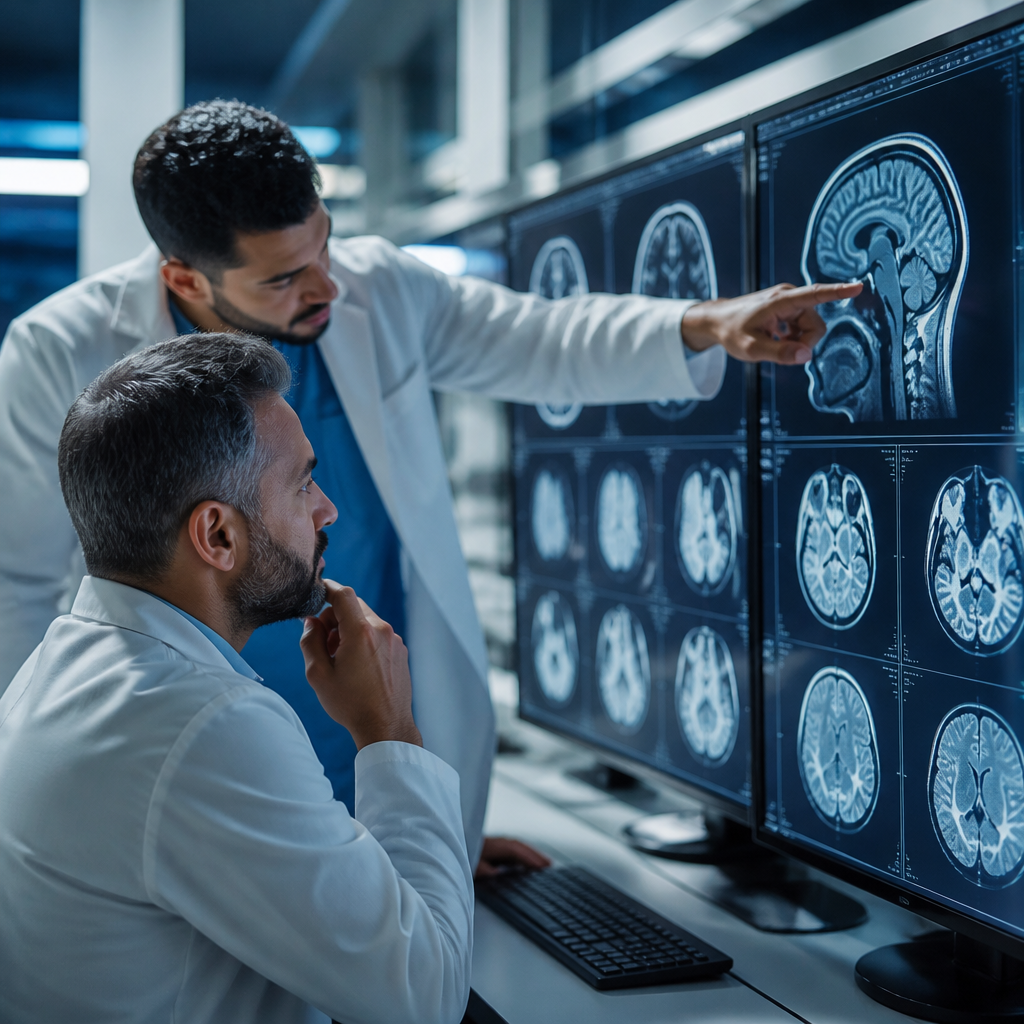
Brain tumors represent one of the most complex challenges in oncology, demanding precision, speed, and a level of multidisciplinary coordination that few other cancers require. Whether primary tumors originating in the brain or metastases from distant sites, these malignancies sit at the intersection of neurology, oncology, and surgery. The stakes are immediate: cognitive function, motor control, and quality of life hang in the balance. For patients and families navigating this diagnosis, understanding the treatment landscape—and knowing where to find specialized care—becomes as critical as the medicine itself.
The Unique Challenge of Brain Malignancies
Brain cancers differ fundamentally from other malignancies. The blood-brain barrier, designed to protect neural tissue, also blocks many chemotherapy agents from reaching tumor cells. Location matters profoundly: a tumor in the motor cortex presents different risks than one in the temporal lobe. Surgical margins that would be routine elsewhere become impossible when removing tissue means sacrificing essential brain function. Even benign tumors can be life-threatening simply by occupying space in the rigid skull.
Primary brain tumors—glioblastomas, astrocytomas, oligodendrogliomas—emerge from brain tissue itself and vary widely in aggressiveness. Glioblastoma, the most common and aggressive primary brain cancer in adults, has historically carried a median survival of 15 months despite treatment. Metastatic brain tumors, which migrate from lung, breast, melanoma, or other primary sites, are actually more common than primary tumors and often appear in multiples. The treatment calculus changes depending on whether you’re managing one lesion or twenty, whether the primary cancer is controlled or progressing, and whether the patient has already undergone systemic therapy.
Standard of Care and What It Actually Means
The phrase “standard of care” appears frequently in oncology, but its meaning deserves unpacking. It represents the treatment approach that current evidence suggests offers the best balance of efficacy and safety for most patients in a given situation. For newly diagnosed glioblastoma, the standard established by the 2005 Stupp trial remains maximal safe surgical resection followed by radiation with concurrent and adjuvant temozolomide chemotherapy. This protocol, known as the Stupp regimen, extended median survival by 2.5 months in the original trial—a modest gain that nonetheless represented meaningful progress. Understanding what standard of care means helps patients distinguish between established protocols and experimental approaches.
Standards evolve as evidence accumulates. Tumor treating fields—a device that delivers alternating electrical fields to disrupt cancer cell division—was added to the standard for glioblastoma after trials showed survival benefits. Testing for specific genetic markers, including MGMT promoter methylation status and IDH mutations, now guides treatment decisions and prognosis. A tumor with an IDH mutation and 1p/19q codeletion, for example, responds better to chemotherapy and carries a better prognosis than IDH-wildtype glioblastoma.
The Multidisciplinary Model in Practice
Effective brain cancer treatment requires multiple specialists working in concert. The neurosurgeon performs the resection or biopsy, walking the line between removing tumor and preserving function. The radiation oncologist designs treatment fields that target residual disease while sparing healthy tissue, often using techniques like intensity-modulated radiation therapy (IMRT) or stereotactic radiosurgery. The medical oncologist manages systemic therapy and coordinates with the team to time treatments appropriately. Neurologists monitor for seizures and manage neurological symptoms. Neuro-oncology, a subspecialty bridging neurology and oncology, coordinates this complex care.
Tumor boards—weekly meetings where specialists review complex cases together—are standard in comprehensive cancer centers. A single patient’s scans, pathology, and clinical status are presented, and the team develops a consensus treatment plan. This collaborative approach catches details that individual specialists might miss and ensures the plan accounts for all aspects of the patient’s condition. For brain tumors, where treatment decisions affect not just survival but cognition, personality, and independence, this coordination matters enormously.
Advanced Diagnostics and Molecular Profiling
Diagnosis has moved far beyond simply identifying a mass. Modern pathology incorporates molecular testing that reveals the tumor’s genetic fingerprint. The 2016 WHO classification of brain tumors integrated molecular parameters for the first time, recognizing that tumors with similar appearance under the microscope may behave very differently based on their genetic profiles. This shift has profound treatment implications: some chemotherapy agents work only in tumors with specific mutations, while others are ineffective against certain genetic subtypes.
Imaging technology has advanced in parallel. MRI sequences can now estimate tumor blood flow, cellular density, and metabolic activity. PET-CT using amino acid tracers distinguishes active tumor from treatment-related changes, solving a persistent challenge in neuro-oncology where radiation can create imaging abnormalities that mimic tumor progression. AI-powered image analysis, still in early deployment, promises to quantify tumor features and predict treatment response with greater precision than human review alone.
Accessing Specialized Neurological Oncology Programs
Given the complexity of brain cancer treatment, access to specialized programs makes a measurable difference in outcomes. Comprehensive centers offer not just the individual specialties but the integrated infrastructure—tumor boards, advanced imaging, molecular pathology, clinical trials, and supportive services—that modern neuro-oncology requires. For patients in the Middle East seeking this level of care, Cleveland Clinic Abu Dhabi’s Cancer Institute has established a neurological oncology program that brings together neurosurgeons, radiation oncologists, medical oncologists, and support services under one institutional roof. The program offers Brain cancer treatment Dubai and Abu Dhabi residents can access without leaving the region, combining subspecialty expertise with advanced technologies including AI-enhanced imaging and cellular therapies.
Emerging Therapies and Clinical Trials
While standard treatments provide the foundation, research continues to push boundaries. Immunotherapy, which has transformed treatment for melanoma and lung cancer, has proven more challenging in brain tumors due to the immune-privileged status of the brain. Checkpoint inhibitors show limited activity in most primary brain tumors, though some patients with high mutational burden or mismatch repair deficiency respond. CAR-T cell therapy, where immune cells are engineered to target tumor antigens, is being tested in early trials for glioblastoma.
Targeted therapies exploiting specific mutations offer promise for subsets of patients. BRAF inhibitors work in tumors with BRAF mutations. NTRK inhibitors show dramatic responses in the rare tumors harboring NTRK fusions. The challenge lies in identifying these targetable alterations through comprehensive molecular profiling and matching patients to appropriate therapies, whether standard or investigational. Participation in clinical trials not only provides access to experimental treatments but contributes data that advances the field for future patients.
The Role of Supportive Care Throughout Treatment
Brain cancer treatment affects patients on multiple levels simultaneously. Corticosteroids reduce swelling but cause weight gain, insomnia, and mood changes. Radiation causes fatigue that worsens throughout treatment. Chemotherapy brings its own side effects. Meanwhile, the tumor itself or surgical intervention may have created neurological deficits—weakness, speech difficulty, cognitive changes—that require rehabilitation.
Comprehensive programs integrate palliative and supportive care from diagnosis forward, not as end-of-life care but as symptom management and quality-of-life optimization throughout treatment. Physical therapy addresses motor deficits. Speech therapy helps with aphasia or swallowing difficulties. Occupational therapy focuses on activities of daily living. Neuropsychology assesses and addresses cognitive changes. Social work connects families with resources. This supportive infrastructure allows patients to tolerate treatment better and maintain function longer.
Parallels in Therapeutic Research and Clinical Application
The development pathway for any therapy—whether targeting cancer, metabolic disease, or other conditions—follows similar principles: preclinical research, early safety trials, efficacy studies, and eventual approval. Understanding how compounds move from laboratory to clinical use illuminates the rigorous process behind treatment advances. For brain cancer patients, this means distinguishing between promising preclinical findings and therapies with demonstrated human efficacy, managing expectations while remaining open to advances as evidence emerges.
Making Informed Treatment Decisions
Brain cancer diagnosis creates urgency, but rushing into treatment without understanding options can lead to regret. Second opinions from specialized centers are standard practice, not a slight to the initial team. Patients should ask about molecular testing results, treatment goals (cure versus control versus palliation), expected side effects, impact on function, and whether clinical trials are available. Understanding the specific tumor subtype, its genetic profile, and the evidence behind recommended treatments empowers informed decision-making.
The treatment landscape for brain malignancies continues evolving, driven by advances in surgery, radiation technology, systemic therapy, and molecular understanding. While challenges remain significant, particularly for aggressive tumors like glioblastoma, the integration of multidisciplinary care, advanced diagnostics, and emerging therapies offers patients more precise and effective options than ever before. For those navigating this diagnosis, connecting with specialized neurological oncology programs that provide comprehensive, coordinated care represents a crucial first step in the treatment journey.