For decades, physical security was viewed primarily as a protective function. Organisations installed access control systems, surveillance cameras, and perimeter barriers to prevent unauthorised entry and safeguard assets. While these measures remain essential, the expectations placed on security infrastructure have changed significantly.
Today’s organisations expect security systems to contribute to operational efficiency, workforce management, regulatory compliance, and business intelligence. Instead of operating as isolated technologies, security platforms are becoming interconnected ecosystems that support informed decision-making across multiple departments.
This evolution is reshaping how businesses invest in physical security. Rather than asking how to secure a building, organisations are asking how security can support productivity, scalability, and long-term operational resilience.
Physical Security Has Become Part of Business Strategy
Digital transformation has influenced almost every business function, and physical security is no exception.
Organisations now manage hybrid workforces, multiple office locations, contractors, visitors, and increasingly complex facilities. Security systems must support these realities without increasing administrative complexity.
A disconnected collection of standalone applications rarely provides the visibility required to manage modern operations. Separate platforms for access control, attendance, surveillance, and visitor management often create duplicated records, inconsistent permissions, and fragmented reporting.
Integrated security platforms address these challenges by bringing critical systems together within a unified management environment.
From Isolated Devices to Connected Ecosystems
Traditional security solutions were typically implemented as independent technologies. Access control managed entry permissions, surveillance monitored activity, and attendance systems recorded employee working hours. Although each platform served its purpose, very little information was shared between them.
Connected security ecosystems eliminate these information silos.
Access events, workforce attendance, visitor activity, surveillance data, and identity management operate together through a central platform, giving organisations a more complete understanding of what is happening across their facilities.
This integrated approach improves operational visibility while reducing manual administration and simplifying day-to-day management.
Why Identity Has Become the New Security Perimeter
The traditional security perimeter focused on protecting buildings.
Today’s security strategies focus on protecting identities.
Every access request begins with identity verification, making authentication one of the most important elements of modern physical security. Organisations increasingly rely on biometric verification, mobile credentials, multi-factor authentication, and role-based access permissions to ensure only authorised individuals enter sensitive areas.
This identity-first approach strengthens accountability while reducing the risks associated with lost access cards, shared credentials, or manual key management.
Mobile Credentials Are Changing Workplace Access
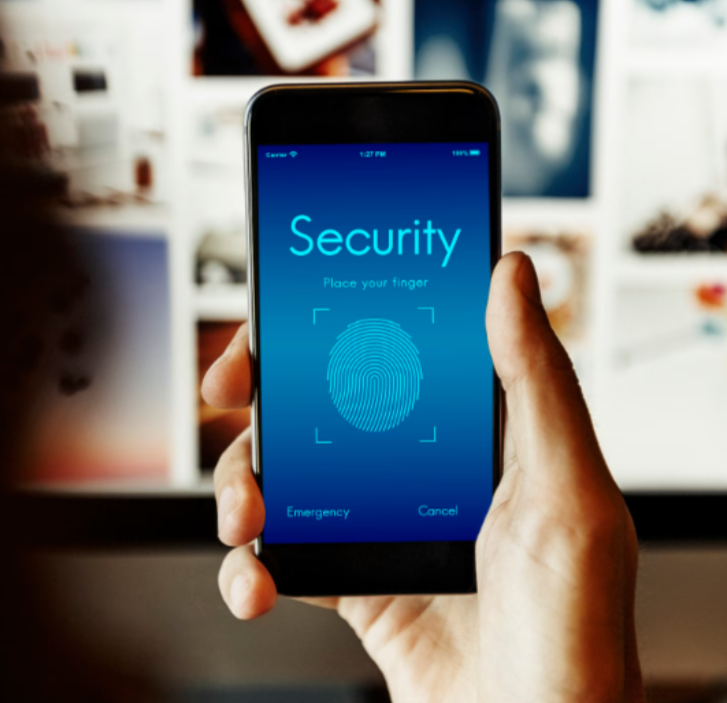
Physical access cards continue to play an important role, but mobile credentials are becoming an increasingly attractive alternative.
Employees can use authorised mobile devices to access buildings, restricted areas, or meeting spaces without carrying separate identification cards. Credentials can be issued, updated, or revoked remotely, reducing administrative effort while improving security.
Mobile-based authentication also supports flexible working environments where employees move between offices, shared workspaces, and multiple facilities.
For growing organisations, digital credential management offers greater scalability than traditional card-based systems.
Cloud Platforms Simplify Security Administration
Managing security infrastructure across several facilities can quickly become challenging when each location operates independently.
Cloud-enabled security platforms provide centralised administration without requiring local management at every site. Security teams can update permissions, review activity, monitor events, and generate reports through a unified management interface regardless of where facilities are located.
This centralised approach improves operational consistency while reducing maintenance requirements and supporting business expansion.
Cloud architecture also allows organisations to adopt new capabilities more efficiently as operational needs evolve.
Artificial Intelligence Is Enhancing Physical Security
Artificial intelligence is becoming an important component of modern physical security strategies.
Integrated surveillance video analysis software helps organisations identify unusual activity, monitor restricted areas, and generate automated alerts without relying exclusively on continuous manual monitoring.
AI also contributes to intelligent access management by identifying unusual access patterns, supporting faster investigations, and improving overall situational awareness.
Rather than replacing security professionals, these technologies provide better information that enables faster and more informed decision-making.
Security Data Creates Operational Intelligence
Security systems now generate valuable operational information that extends well beyond incident prevention.
Attendance records reveal workforce trends.
Access activity supports occupancy analysis.
Visitor management provides insight into facility usage.
Vehicle access information assists logistics planning.
When these datasets are connected, organisations gain a clearer understanding of how people interact with workplaces throughout the day.
Leadership teams can use this information to improve resource allocation, optimise facilities, and support broader operational planning.
Building Security Infrastructure for Long-Term Growth
Technology investments should continue delivering value as organisations expand.
Selecting scalable security platforms allows businesses to add users, facilities, authentication methods, and integrated applications without replacing existing infrastructure. Flexible architecture also simplifies future integration with building management systems, workplace automation, and emerging digital technologies.
Future-ready security is therefore less about purchasing additional hardware and more about investing in platforms designed to evolve alongside business requirements.
A Connected Approach to Physical Security
Physical security has entered a new phase of development. Modern organisations no longer view access control, surveillance, attendance management, visitor registration, and identity verification as separate operational functions. They increasingly recognise these technologies as interconnected components of a broader business ecosystem.
Integrated security platforms strengthen protection while improving operational visibility, reducing administration, supporting compliance, and enabling better business decisions. The result is a workplace that is not only more secure but also more efficient and better prepared for future growth.
AL Maha Business Systems helps organisations implement intelligent physical security solutions that integrate building access control systems, face recognition attendance systems, mobile credentials, visitor management, IP security camera systems, and advanced video analytics software into one connected platform. These solutions provide the visibility, scalability, and operational intelligence required to support modern businesses as they continue their digital transformation.
In the digital era, physical security is no longer measured solely by the strength of a barrier or the number of cameras installed. Its true value lies in the ability to connect people, technology, and information to create a secure, efficient, and future-ready organisation.
About the Author
The author focuses on emerging trends in enterprise security, digital infrastructure, and intelligent workplace technologies. Their articles examine how organisations are adopting connected security platforms, identity-first access management, and data-driven strategies to strengthen both security and operational performance.