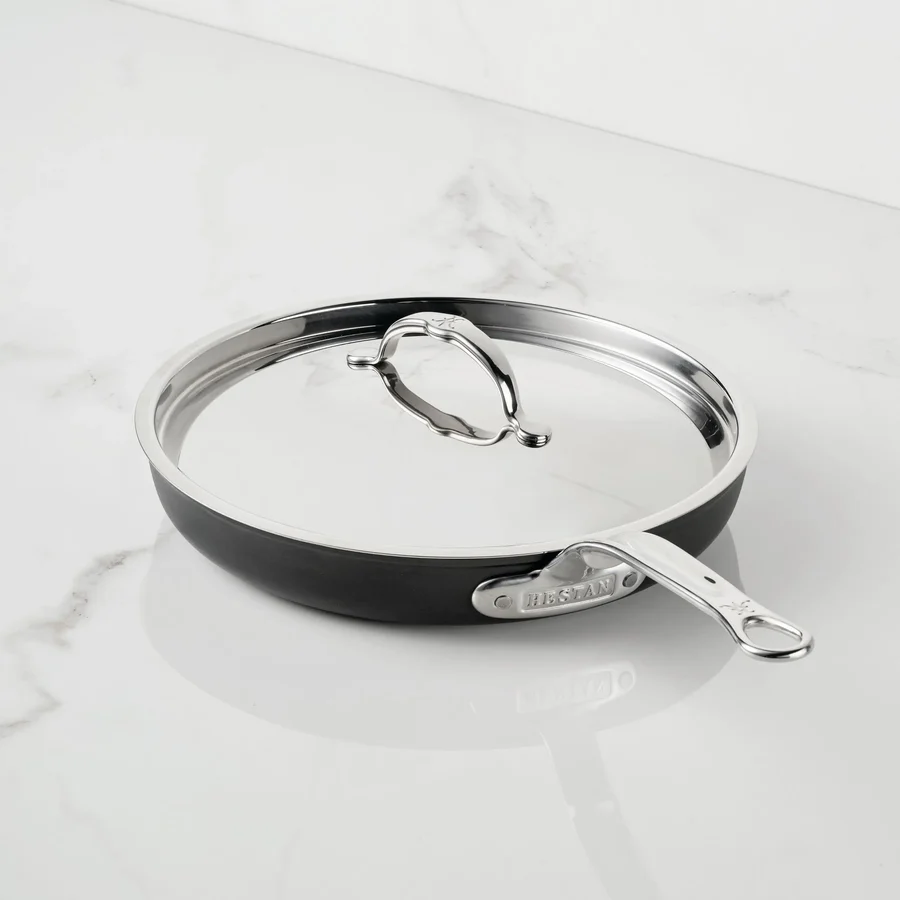
Choosing the right cookware is an important step in building a functional and efficient kitchen. The type of surface, heat performance, durability, and maintenance all play a major role in determining cooking quality and long-term usability.
Modern cookware technology has evolved significantly, offering advanced solutions that improve both convenience and performance. At the same time, traditional nonstick cookware continues to remain widely used due to its affordability and simplicity.
To explore advanced kitchen solutions, you can browse Hestan cookware.
Understanding Traditional Nonstick Cookware
Traditional nonstick cookware is designed with a coated surface that prevents food from sticking during cooking. This makes it easier to cook delicate ingredients and simplifies cleaning after use.
These cookware options are generally lightweight and affordable, making them accessible for everyday cooking needs. However, their performance tends to vary depending on usage patterns and maintenance.
Over time, traditional coatings may lose effectiveness due to repeated exposure to heat and cleaning. This can impact both cooking efficiency and surface durability, requiring replacement sooner than premium alternatives.
What Is Titum Fusion Technology?
Advanced cookware technology focuses on improving durability, heat performance, and long-term usability. Modern nonstick surfaces are engineered with reinforced layers that enhance resistance to wear and improve cooking consistency.
Titum Fusion technology is designed to address common limitations found in traditional cookware. It integrates advanced bonding techniques that strengthen the surface while maintaining smooth food release.
This innovation allows cookware to perform consistently under frequent use while maintaining structural integrity. It also supports improved heat distribution, which contributes to more controlled cooking outcomes.
For more details on advanced options, explore premium nonstick cookware.
Key Differences Between Titum Fusion and Standard Nonstick Cookware
Understanding the differences between advanced and traditional cookware helps in making an informed decision based on cooking needs and expectations.
Durability and Lifespan
Traditional nonstick cookware generally has a shorter lifespan due to coating degradation over time. Frequent use and exposure to high heat can reduce its effectiveness.
Advanced cookware is designed for long-term durability. Reinforced construction helps maintain performance and extends usability, making it more suitable for regular cooking.
Scratch Resistance
Surface damage is a common issue with traditional nonstick cookware. Metal utensils or abrasive cleaning tools can easily damage the coating.
Modern cookware with reinforced surfaces offers improved scratch resistance. This helps maintain smooth performance even with consistent use and reduces the risk of coating damage.
Heat Distribution
Even heat distribution is essential for consistent cooking results. Traditional cookware may sometimes develop uneven heating zones depending on material quality.
Advanced cookware is engineered to distribute heat more evenly across the surface. This helps reduce hotspots and improves overall cooking precision.
Safety and Materials
Traditional cookware often relies on basic coating technologies that may degrade faster under high heat conditions. This can affect long-term safety and performance.
Modern cookware focuses on enhanced material stability and improved coating integrity. This ensures better performance under varying cooking conditions and higher reliability over time.
Price vs Value
Traditional cookware is generally more affordable, making it suitable for basic cooking needs. However, it may require frequent replacement.
Advanced cookware comes at a higher initial cost but provides better long-term value. The durability and performance benefits reduce replacement frequency and improve overall efficiency.
Pros and Cons of Each Option
Both traditional and advanced cookware options have their own strengths and limitations depending on user needs.
Traditional Nonstick Cookware Pros:
- Affordable and widely available
- Lightweight and easy to use
- Simple cleaning process
Traditional Nonstick Cookware Cons:
- Shorter lifespan
- Lower scratch resistance
- Reduced performance over time
Advanced Nonstick Cookware Pros:
- Enhanced durability
- Better heat distribution
- Improved scratch resistance
- Long-term performance stability
Advanced Nonstick Cookware Cons:
- Higher upfront cost
- Requires proper care for maximum lifespan
Both options serve different user requirements, making the choice dependent on cooking frequency and expectations.
Which One Is Right for Your Cooking Style?
The choice between traditional and advanced cookware depends largely on cooking habits and performance expectations.
Users who prioritize affordability and occasional cooking may find traditional cookware suitable. It offers basic functionality and ease of use without a significant investment.
On the other hand, users who value long-term performance, durability, and consistency may prefer advanced cookware solutions. These options are better suited for frequent cooking and varied cooking techniques.
Cookware selection should align with usage patterns, maintenance preferences, and desired cooking outcomes.
Expert Recommendation
Modern cookware technology has significantly improved the cooking experience by offering better durability, heat control, and usability. While traditional cookware still serves basic needs, it may not provide the same level of performance over time.
Hestan Culinary focuses on delivering advanced cookware solutions designed for long-term reliability and consistent cooking performance. These products are engineered to meet the expectations of modern kitchens.
For those seeking improved efficiency and durability, upgrading to advanced cookware can be a practical decision. It enhances cooking consistency while reducing maintenance effort.
For any assistance or inquiries, you can reach out through the official contact page.
FAQs
What is the main difference between traditional and advanced nonstick cookware?
The main difference lies in durability, heat performance, and surface technology. Advanced cookware offers improved longevity and better heat distribution.
Does nonstick cookware lose effectiveness over time?
Yes, traditional nonstick cookware may lose effectiveness due to coating wear, while advanced options are designed for longer-lasting performance.
Is advanced nonstick cookware worth the investment?
Yes, it offers better long-term value due to durability, reduced replacement frequency, and improved cooking efficiency.
Can both types of cookware be used for daily cooking?
Yes, both can be used daily, but advanced cookware maintains performance more consistently over time.
How should nonstick cookware be maintained?
It should be cleaned gently with non-abrasive materials and used with suitable utensils to preserve the coating.
Conclusion
The comparison between traditional and advanced nonstick cookware highlights clear differences in performance, durability, and long-term value. While traditional cookware offers affordability and simplicity, advanced options provide enhanced consistency and extended usability.
Choosing the right cookware depends on individual cooking needs and expectations. For those seeking improved efficiency and reliability, advanced cookware presents a more sustainable and effective solution for modern kitchens.