Most homeowners never think about water pressure until the pressure drops, something starts leaking, or you don’t have any hot water. In many Mesa homes, the missing piece is a small but critical device called a water heater expansion tank.
What Is a Water Heater Expansion Tank?
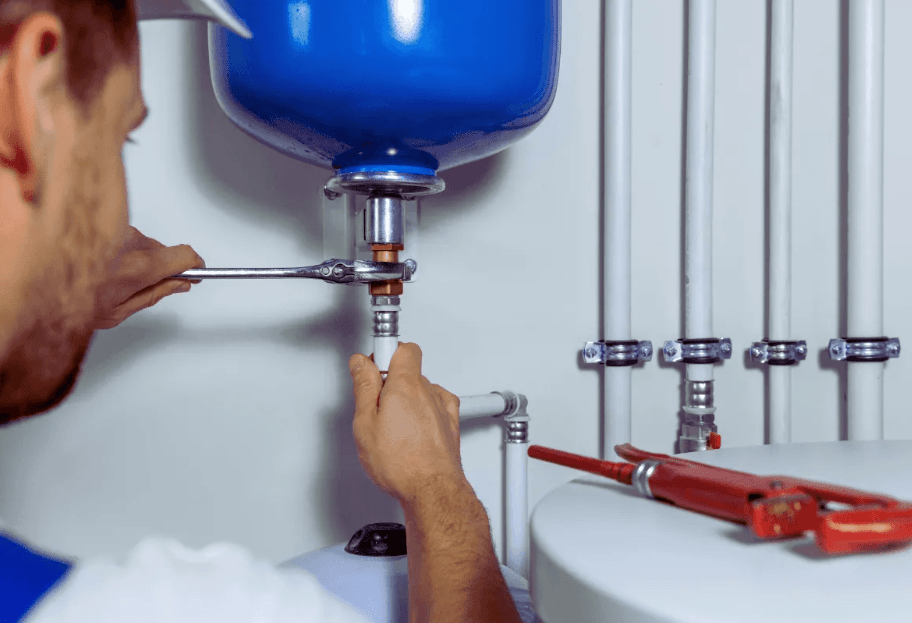
A water heater expansion tank is a small secondary tank installed above or near your primary water heater. Inside is a rubber bladder that separates air from water. When water heats up, it expands.
In an open plumbing system, the expanded water can safely flow back into the municipal supply. But most modern homes are closed systems, meaning a backflow preventer or pressure-reducing valve prevents water from flowing backward.
In a closed system, heated water has nowhere to go. Pressure builds inside the pipes and the water heater tank, so the expansion tank absorbs that extra volume, preventing pressure spikes. Expansion tanks are factory pre-charged with air, typically 40–60 psi. That air pressure must match your home’s static water pressure. If it doesn’t, the tank will not absorb expansion properly and can become waterlogged. This is one reason professional installation and periodic inspection matter.
When pressure from thermal expansion is not properly managed, several problems can occur:
- Temperature and pressure relief valves begin dripping.
- Water heater tanks experience internal stress.
- Fixture seals wear prematurely.
- Pipe joints and connections develop leaks.
Are Expansion Tanks Required in Mesa?
Mesa follows the International Plumbing Code (IPC), which requires a method to manage pressure from thermal expansion in closed water systems. Most often, this means an expansion tank.
When a water heater is replaced or a plumbing system is updated, current code requirements apply. So, even if your home didn’t have an expansion tank in the past, it may need one now.
Tankless Maintenance: How Often Should I Flush My Tankless Water Heater?
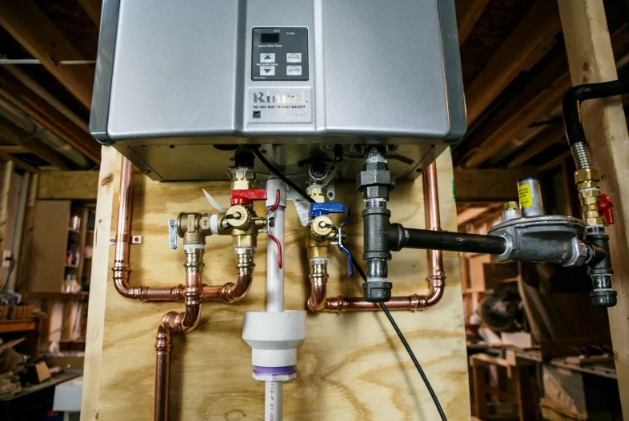
Another question that comes up regularly is how often should I flush my tankless water heater? The short answer is at least once a year, although many homeowners do it more frequently.
Tankless systems eliminate standby heat loss, but they are not maintenance-free. In Mesa’s hard water environment, scale buildup is a significant concern. Minerals such as calcium and magnesium accumulate inside the heat exchanger. As scale thickens, efficiency drops. Your system has to work harder to heat water, which can shorten its lifespan.
Flushing involves isolating the unit, circulating a descaling solution through the heat exchanger, and rinsing the system thoroughly.
Routine flushing keeps the system efficient and protects the internal components from scale damage. Skipping this maintenance can lead to reduced flow rates, overheating errors, and potential warranty issues.
For some homeowners, flushing a hot water heater may be a DIY project, but it’s safer to have a licensed plumber do the service, including cleaning your unit and inspecting components. Keep in mind your manufacturer’s recommendations, as failing to follow those recommendations can void your warranty.
Signs Your Expansion Tank or Tankless System Needs Attention
Certain symptoms may indicate a problem:
- Relief valve dripping regularly
- Noticeable water pressure fluctuations
- Loud banging or knocking in pipes
- Error codes related to overheating
- Inconsistent hot water delivery
These signs suggest either pressure management or scale buildup issues that should be evaluated promptly.
See also: Top 5 Reasons Homeowners Hire a Tile & Grout Cleaning Service in Houston
Small Maintenance, Major Protection
An expansion tank and routine tankless flushing are an important part of preventative maintenance. A properly sized water heater expansion tank protects your plumbing system from pressure damage. Regular tankless flushing protects your heat exchanger from scale buildup.
Together, they extend the life of your water heating system and reduce the likelihood of unexpected repairs.
If you are unsure whether your home has an expansion tank, whether it is functioning properly, or how often your tankless system should be serviced, George Brazil Plumbing & Electrical can inspect your system and ensure everything is operating safely, efficiently, and in compliance with Mesa code. George Brazil has been serving Phoenix area homeowners for more than 35 years. Because they are A+ rated from the BBB with more than 2,800 five-star ratings, you can trust the licensed plumbers at George Brazil to treat you right, with honest service and transparent pricing.
Contact the licensed, experienced water heater experts at George Brazil today.