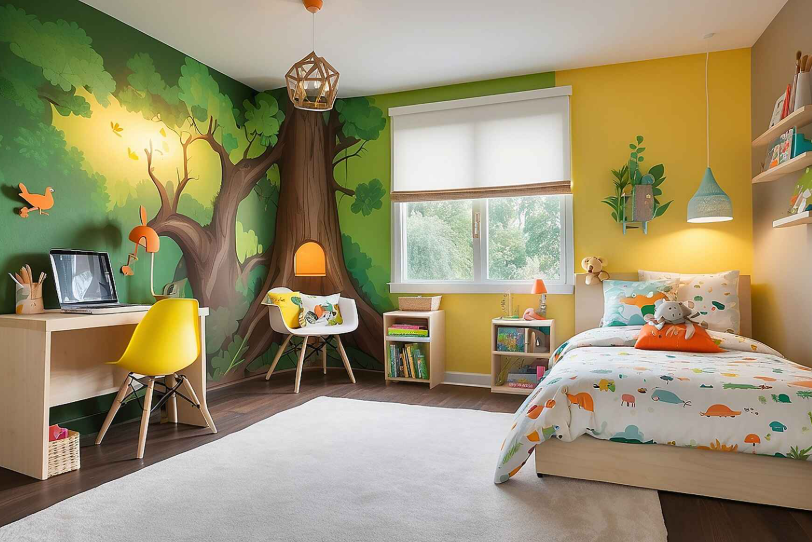
Designing a child’s bedroom is rarely simple. Space fills up faster than expected. Toys grow. Books multiply. School bags appear everywhere. That is one reason many families look at a Kids bunk bed when planning a shared or compact room.
It is not only about stacking beds. It is about freeing up the floor while still giving each child their own space.
Sleep Study And Storage In One Corner
Modern designs often combine more than just two sleeping areas. Some setups include built in desks beneath the upper bed. Others add shelves along the side frame.
This matters because children do not only sleep in their rooms. They study. They draw. They read quietly. They hide from adults when they need a break.
Instead of placing separate furniture pieces everywhere, one combined structure keeps the layout tighter.
Here is where multifunction design becomes practical:
• A study desk under the top bed keeps homework in one defined spot
• Side shelves hold books without needing extra wall units
• Built in drawers reduce the need for separate cabinets
• Ladder steps sometimes double as storage compartments
So the floor remains open for play. And open floor space is important. Kids move more than adults realize.
Why Height Changes Floor Freedom
When beds are placed side by side, half the room can disappear. Stacking vertically gives that area back.
That open section can turn into:
• A reading bean bag corner
• A small play mat zone
• Extra wardrobe space
• Even a narrow walking path that feels less crowded
The feeling of openness changes how the entire room is experienced. Sometimes parents do not realize how much space traditional layouts consume until they try a vertical option. It is not magic. It is geometry.
But height does require consideration. Ceiling clearance must allow comfortable sitting on the top bunk. The upper space should not feel too tight. Children grow fast, and what feels spacious at age seven might feel different at thirteen. So thinking ahead helps.
Safety Thoughts Parents Quietly Consider
Safety is usually the first silent question. Guard rails on the upper level are important. Ladder placement should feel stable. The frame should not wobble when a child climbs up quickly.
Most parents also wonder about nighttime movement. Will the child feel safe climbing down? Is there enough lighting?
Small adjustments can help:
• Installing a soft night light near the ladder
• Choosing sturdy ladder steps instead of thin rungs
• Checking that the top guard rail is high enough
And yes, some children need a little time to adjust. Especially if they have never slept elevated before. But usually curiosity wins over hesitation.
See also: A Buyer’s Guide To Choosing A Fountain Pump 4 Ft Lift
Different Layout Styles For Different Ages
Younger children often enjoy playful designs. Older kids prefer something cleaner and less themed. A neutral structure works longer because style can change through bedding and accessories instead of replacing the whole frame.
Some families choose a top bed with a desk below. Others prefer two stacked beds with storage underneath. Teenagers might appreciate additional shelving for gadgets and books.
There is no single perfect version. It depends on how the room is used daily. Sometimes even personality plays a role. One child may love being on top. The other may insist on staying below. That small decision alone can shape how harmonious the arrangement feels.
A well chosen Kids bunk bed can simplify storage and sleeping arrangements at the same time. But the real advantage shows when the rest of the room remains usable. When there is still space to sit, to stretch, to move freely. And honestly, that breathing room changes the atmosphere more than fancy decor ever could.
Children’s rooms evolve constantly. Interests shift. School demands increase. Storage needs grow. Choosing furniture that adapts instead of limiting layout options makes the room feel ready for those changes.