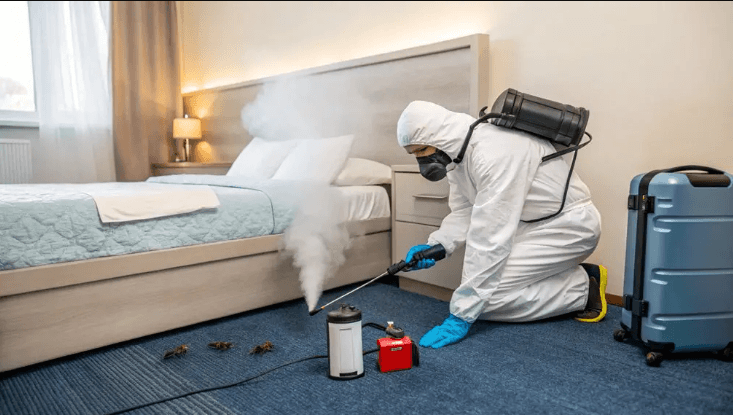
Bed bugs have become a persistent problem in urban environments, especially in multi-unit housing structures such as apartment buildings, condominiums, and dormitories. These tiny pests are notorious for their ability to hide in small crevices and travel between units, making eradication efforts particularly challenging. Residents and property managers often find themselves in a cycle of repeated infestations, despite ongoing efforts to control the problem. Understanding why bed bugs are so difficult to eliminate in these settings is crucial for developing effective strategies and ensuring the health and comfort of all occupants.
Key challenges in multi-unit buildings
How bed bugs spread between units
One of the primary reasons bed bugs are harder to eliminate in multi-unit housing structures is their remarkable ability to move between units. Bed bugs are adept at finding their way through tiny cracks in walls, electrical outlets, plumbing lines, and even under doors. When one unit becomes infested, it is only a matter of time before the pests migrate to neighboring apartments. This movement is often facilitated by the close proximity of living spaces and the shared infrastructure common in apartment complexes. As a result, even if one resident takes all the necessary steps to eliminate bed bugs, the infestation can quickly return if adjacent units remain untreated. This interconnectedness means that a coordinated approach is essential, but achieving cooperation among all residents and property managers can be difficult, further complicating eradication efforts.
The role of human behavior and cooperation
Human behavior plays a significant role in the persistence of bed bug infestations in multi-unit housing. Not all residents may be aware of the signs of bed bugs or may be reluctant to report an infestation due to stigma or fear of eviction. Some tenants might attempt to handle the problem themselves using ineffective methods, which can drive bed bugs deeper into hiding or cause them to spread further. Additionally, the transient nature of some residents, such as in college dormitories or short-term rentals, increases the risk of introducing new infestations. Coordinating a building-wide response requires clear communication and cooperation among all parties, including tenants, landlords, and pest control professionals. Without this collective effort, isolated treatments are unlikely to succeed, and the cycle of infestation continues. In cities with dense populations, such as Chicago, the demand for bed bug treatment Chicago services has grown as property managers seek comprehensive solutions that address the unique challenges of multi-unit dwellings.
Limitations of traditional pest control methods
Traditional pest control methods often fall short in multi-unit housing environments. Chemical treatments, while effective in isolated cases, may not reach all the hiding spots bed bugs use to evade detection. Bed bugs can develop resistance to certain pesticides, making repeated applications less effective over time. Furthermore, the use of chemicals in shared living spaces raises concerns about exposure to residents, especially children and pets. Heat treatments, which involve raising the temperature of an entire unit to lethal levels for bed bugs, can be effective but are logistically challenging and costly when multiple units are involved. The complexity of treating interconnected spaces means that even a single untreated unit can serve as a reservoir for reinfestation. This limitation underscores the need for integrated pest management strategies that combine multiple approaches and emphasize prevention as much as elimination.
The impact of building design and maintenance
The physical design and maintenance of multi-unit housing structures significantly influence the difficulty of bed bug elimination. Older buildings with numerous cracks, gaps, and shared utility lines provide ample pathways for bed bugs to travel undetected. Poor maintenance, such as unrepaired holes in walls or floors, further exacerbates the problem by creating more hiding spots and migration routes. Even newer buildings are not immune, as modern construction often includes shared ventilation systems and interconnected spaces that facilitate the spread of pests. Regular inspections and prompt repairs are essential to minimize these vulnerabilities, but budget constraints and competing maintenance priorities can delay necessary work. Effective bed bug management in these environments requires ongoing attention to building integrity and a proactive approach to sealing potential entry points.
The importance of education and awareness
Education and awareness are critical components in the fight against bed bugs in multi-unit housing. Many residents are unaware of how bed bugs spread or the steps they can take to prevent infestations. Providing clear information about identifying bed bugs, reporting procedures, and proper preparation for treatments can make a significant difference in controlling outbreaks. Property managers and landlords also benefit from training on effective communication and coordination with pest control providers. When everyone involved understands their role and responsibilities, the chances of successful elimination increase. Community-wide education campaigns and accessible resources help foster a culture of vigilance and cooperation, which is essential for long-term bed bug control.
See also: Making Your Move Stress-Free: Insider Tips for a Smooth Transition
Short-term solutions versus long-term prevention
Short-term solutions, such as spot treatments or temporary relocation of residents, may provide immediate relief but often fail to address the root causes of bed bug infestations. Long-term prevention requires a comprehensive strategy that includes regular inspections, prompt reporting, and ongoing maintenance. Building-wide treatment plans, combined with resident education and cooperation, offer the best chance of breaking the cycle of reinfestation. Investing in preventive measures, such as mattress encasements and sealing entry points, can reduce the likelihood of future outbreaks. Ultimately, a proactive and coordinated approach is necessary to achieve lasting results in multi-unit housing environments.
The psychological and financial toll on residents
Living with a bed bug infestation can take a significant psychological and financial toll on residents. The stress and anxiety associated with persistent infestations can affect sleep, mental health, and overall well-being. Residents may feel embarrassed or isolated, especially if they believe they are being blamed for the problem. The financial burden of repeated treatments, replacing infested belongings, and potential relocation can be substantial, particularly for low-income households. Addressing these challenges requires not only effective pest control but also support services and clear communication to help residents navigate the process. Recognizing the human impact of bed bug infestations is essential for developing compassionate and effective management strategies.
Conclusion
Eliminating bed bugs from multi-unit housing structures presents a unique set of challenges that go beyond simple pest control. The interconnected nature of these buildings, combined with human behavior, building design, and limited resources, makes eradication a complex and ongoing process. Success depends on coordinated efforts among residents, property managers, and pest control providers, as well as a commitment to education, prevention, and regular maintenance. By understanding the specific obstacles faced in multi-unit environments and adopting a comprehensive approach, communities can reduce the prevalence of bed bugs and improve the quality of life for all residents.