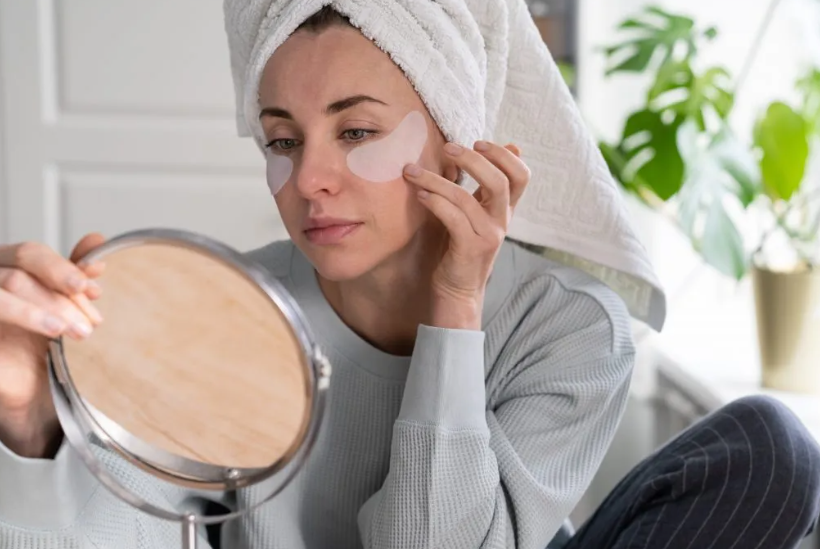
Dark circles under the eyes can be experienced by all people irrespective of their age and backgrounds. A lot of people are interested in the remove dark eye circles under the eyes and recreating a fresh look. Knowing the causes and treatments to be administered assists in making the right decision. This is a guide to everything about dark circles and how they can be managed.
Exploring more about dark eye circles
Meaning of dark eye circles
Dark circles under the eyes occur as a result of skin beneath the two eyes becoming darker than normal. This discoloration which is medically referred to as the periorbital hyperpigmentation may be displayed in tan, brown, or purplish according to the skin color. The two eyes are affected most of the time but one eye might manifest more than the other.
Causes of dark eye circles
Dark circles may be the work of a combination of factors or single factors. Knowledge of the precise cause makes it possible to establish the most efficient treatment method. And these are the main causes of dark circles.
- Genetic predisposition: The history of the family is an important contributor, and there are individuals who are naturally prone to media under-eye areas.
- Age-related skin thinning: Skin becomes thinner as one ages with, the loss of collagen and increases the visibility of the blood vessels.
- Lifestyle factors: Dark circles are caused by poor sleep, smoking, high ends of alcohol, stressful factors, and dehydration.
- Sun exposure: UV radiation stimulates the production of melanin and the pigmentation appearance appears below the eyes.
- Allergies and rubbing: vascular dark circles may be as a result of nasal congestion and eye rubbing.
Types of dark eye circles
There are various forms of dark circles which have to be treated differently. The identification of the type aids in achieving the most exploitative solution. The key types of dark circles include these ones.
- Pigmented dark circles: This is brownish and does not undergo significant changes with increase or decrease in the light or pressure.
- Vascular dark circles: It is bluish or purplish in nature, which aggravates in the morning or seasonal allergies.
- Structural dark circles: This is the dark circle forming as a result of hollow form of tear trough or puffy eyelids.
- Mixed type dark circles: Two or more types have been combined making them a multi-faceted kind of treatment.
See also: 7 Warning Signs Your Digital Strategy Is Holding Your Business Back in Dubai
Treatment options for dark eye circles
There are many forms of treatment including home treatment and the practices by the professionals. The decision will be made depending on the cause and the intended outcomes. The following are the key treatment options.
- Laser therapy: Fractional lasers are used on pigmentation at a stimulated effect on the generation of collagen, which is permanent.
- Dermal fillers: This is an injection of hyaluronic acid to fill in the aesthetic shadow appearance brought about by the hollow tear troughs.
- Skin boosters: Hydrating shots will enhance the look and shape of the skin in the sensitive, under-eye skin.
- Topical treatments: Vitamin C, retinoid and brightening creams contain an incremental pigmentation reducing effect.
- Combination approaches: Multiple approaches sometimes enhance better results compared to their individual approaches.
Why consult a doctor
Although the appearance of dark circles hardly signifies underlying dangerous conditions, there can still be advantages to professional consultation. Any dermatologist is able to accurately tell the cause of the problem and prescribe the right treatment. In case of changing color and swelling, only on one side of the eyes and progressing with time, medical care is justified.
Conclusion
The knowledge of the dark eye circles allows people to obtain the right therapy and maintain their expectations. There is a combination of professional guidance and regular home care that is the way to go to achieve the improvement.