The mind is its own place, and in itself can make a heaven of hell, a hell of heaven. He stepped down, trying not to look long at her, as if she were the sun. I hope she’ll be a fool — that’s the best thing a girl can be in this world.
The way we use computers has changed dramatically over the last twenty years. In the past, if you wanted to use a software program, you had to go to a store and buy a physical box. Inside the box was a compact disk. You would take it home, insert it into your computer, and wait for it to install. Once it was on your hard drive, it lived there forever. If a new version came out, you had to go back to the store and buy another physical box. Today, this old model is almost entirely extinct. It has been completely replaced by a new system known as Software as a Service. This massive shift is not just a minor technical detail; it is a fundamental change in exactly how we work, how we pay for digital tools, and how modern businesses operate in the digital age.
Defining the Core Concept
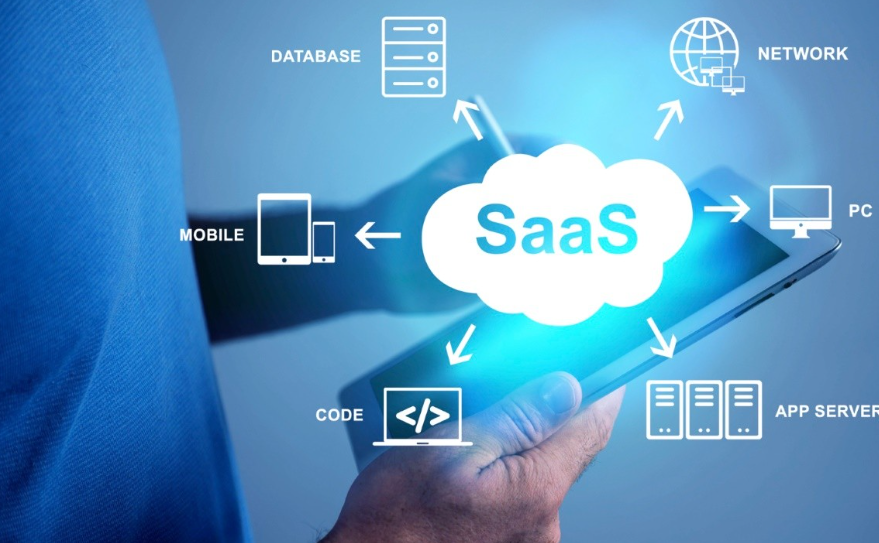
Software as a Service is a remarkably simple idea. Instead of buying a software program once and owning it forever, you simply rent it. The software does not live on your personal computer. It lives on a giant server in the cloud, which is just a fancy name for the internet. You access the software through your web browser, exactly like you access a regular website.
Think of it like your home electricity. You do not generate your own electricity at home with a massive generator. You pay a utility company to send electricity to your house, and you pay only for what you actually use. Cloud software works the exact same way. You pay a monthly or yearly fee to a provider, and they give you access to the software. Examples of this are absolutely everywhere. When you check your email on a web browser, you are using a cloud service. When you watch a movie on a streaming platform, you are using a form of this technology. When a business uses a digital system to track their customers, that is also a cloud service. It has become the absolute standard way of delivering technology to the entire world.
The End of Complex Installation
One of the biggest advantages of this digital model is sheer convenience. In the old days, installing software was a massive headache. You had to worry if your computer was fast enough or if you had enough space on your hard drive. Sometimes the installation process would fail, and you would have to start all over again. With cloud software, there is absolutely nothing to install. You simply log in with a username and start working immediately.
This also permanently solves the terrible problem of updates. Previously, software companies would release a new version every single year. Users had to decide if they wanted to pay a lot of money for the upgrade. This meant that different people were using different versions of the same program, which caused massive compatibility issues. In the cloud software world, everyone is always on the latest version. The provider updates the software on their end, and the next time you log in, you have the brand new features instantly. This happens silently in the background without you having to do anything at all. It ensures that security patches are applied immediately, keeping everyone safe from dangerous digital threats.
The Rise of the Subscription Economy
For businesses and everyday consumers, this technology has changed the financial equation completely. Traditional software required a massive upfront payment. Buying a professional design suite or a complex accounting package could cost hundreds or even thousands of dollars. This was a huge barrier for small businesses and young students. Cloud software turns this massive capital expense into a small operating expense.
Instead of paying a thousand dollars today, you might pay ten dollars a month. This significantly lowers the barrier to entry. A small new startup company can now easily afford the exact same powerful tools that a giant global corporation uses. It creates a very level playing field for everyone. However, it also means that you never truly stop paying. If you stop paying your monthly subscription, you lose access to the tool entirely. For software companies, this is a dream come true. It gives them a very predictable stream of revenue every single month. This financial stability allows them to invest more money into improving the product, creating a wonderful cycle of continuous development and innovation.
Enabling Remote Work and Collaboration
The massive rise of remote work would have been completely impossible without cloud software. Before the cloud, your important work was trapped on your specific office computer. If you wanted to work from your house, you had to copy files onto a small physical drive and hope you did not lose them. Collaboration was incredibly difficult. You had to email documents back and forth to your team, creating many confusing multiple versions of the exact same file.
Cloud software changed everything by making the web browser the new office. Because the software and the data live on the internet, you can access them from absolutely anywhere. You can log in from your laptop at home, your tablet in a coffee shop, or your phone on a moving train. Multiple people can work on the exact same document at the exact same time. You can see your colleague typing in real time, even if they are located on the other side of the world. This incredible flexibility has liberated workers from the physical desk. It allows teams to be distributed across the globe while remaining perfectly synchronized.
Security and Building Trust
Moving everything to the cloud requires a massive amount of trust from the user. When you use cloud software, you are handing over your precious private data to a third party company. You are trusting them to keep it safe from malicious hackers and to not lose it if a server crashes. This is a very significant concern for many large organizations, especially those dealing with sensitive financial details or private medical records.
To combat this fear, cloud providers invest heavily in digital security. They often have much better security measures than a typical small business could ever afford on its own. They have dedicated teams of experts monitoring their systems twenty four hours a day. They use advanced encryption to protect data while it travels across the internet. However, the risk is never truly zero. If a major provider goes offline, millions of businesses can be left paralyzed until the service is fully restored. This heavy dependency on a constant internet connection is the main weakness of the model. If you lose your internet connection, you often lose your ability to work completely.
Integration and Digital Ecosystems
Modern cloud tools are specifically designed to talk to each other. In the past, moving data from one program to another program was a complete nightmare. Today, software comes with special digital connectors. This allows different tools to share important information automatically without any human effort.
For example, when a customer buys something on your website, your electronic commerce software can talk directly to your accounting software to record the sale instantly. It can then talk to your email marketing software to send a polite thank you message to the buyer. This brilliant automation saves countless hours of time and reduces human error significantly. It allows businesses to build a custom ecosystem of tools that fits their specific needs perfectly. They can pick the best email tool, the best accounting tool, and the best project management tool, and make them all work together as one giant efficient machine.
The Future of Cloud Software
The future of this technology is highly likely to be driven by Artificial Intelligence. We are already seeing smart algorithms being built directly into these digital platforms. A writing tool can now suggest brilliant improvements to your grammar. A sales tool can accurately predict which customers are most likely to buy your products. These smart features will make the software not just a simple tool, but a highly proactive digital assistant.
We are also seeing a major trend toward highly specialized tools. In the beginning, most cloud tools were general purpose, like basic spreadsheets or simple word processors. Now, we are seeing specialized tools built for very specific industries. There are platforms specifically designed for dentists, for construction companies, and for fitness studios. These niche tools solve the unique problems of those specific industries much better than a generic tool ever could.
Conclusion
Software as a Service has completely revolutionized the modern digital landscape. It has made highly powerful technology accessible to absolutely everyone, lowered financial costs, and enabled a brand new era of global collaboration. While it definitely brings some challenges regarding privacy and internet dependency, the incredible benefits far outweigh the potential risks. As internet speeds increase globally and smart algorithms become more advanced, the cloud will only become more central to our daily lives. We have moved permanently from a slow world of owning physical boxes to a fast world of accessing digital services, and this massive shift has unlocked a level of global productivity and rapid innovation that was previously impossible.